
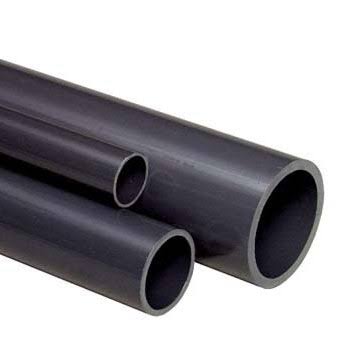
High Pressure Pipes in Kenya
| Specification | Details |
|---|---|
| Product Name | High Pressure Pipes |
| Product Type | Pressure Piping |
| Materials | UPVC / HDPE / CPVC / Stainless Steel / Carbon Steel |
| Available Sizes | Multiple diameters |
| Pressure Classes | Multiple options |
| Wall Thickness | Material, diameter and pressure dependent |
| Pipe Length | Manufacturer dependent |
| Connection | Socket / Fusion / Thread / Weld / Flange / Mechanical |
| Internal Surface | Material dependent |
| Temperature Range | Material and product dependent |
| Corrosion Resistance | Material dependent |
| Chemical Resistance | Material and medium dependent |
| Installation | Above ground / underground, system dependent |
| Applications | Water / irrigation / pumping / industrial fluids |
Description
High Pressure Pipes in Kenya | Sanvil Industries Ltd
High Pressure Pipes are strong piping products that carry water and compatible fluids under pressure in water distribution, irrigation, borehole systems, pumping stations, agriculture, commercial plumbing, water treatment, factories, and industrial fluid-transfer systems. Depending on the application, pressure pipes can come in UPVC, HDPE, CPVC, stainless steel, carbon steel, and other suitable materials.
At Sanvil Industries Ltd, we stock quality High Pressure Pipes in Kenya in multiple diameters, pressure classes, materials, and connection systems. We serve contractors, farms, factories, water projects, institutions, plumbers, and industrial customers across Kenya, Uganda, and Tanzania at competitive wholesale and bulk prices.
Product Description – High Pressure Pipes
High pressure pipe forms the main fluid-carrying line in a system where pumps, elevation, process conditions, or other hydraulic forces create internal pressure.
Unlike ordinary drainage pipes that mainly handle gravity flow, pressure pipes have specific pressure ratings or classes according to their material, dimensions, manufacturing standard, and operating conditions.
Common options include UPVC pressure pipes, HDPE pipes, CPVC pipes, stainless steel pipes, and carbon steel pipes. Each material offers different advantages in terms of corrosion resistance, temperature capability, flexibility, mechanical strength, joining method, and chemical compatibility.
The correct pipe depends on several factors, including working pressure, surge pressure, pipe diameter, flow rate, temperature, fluid, installation environment, connection method, and project standard.
Common Types of High Pressure Pipes
| Pipe Type | Common Application |
|---|---|
| UPVC Pressure Pipe | Water, irrigation and pumping |
| HDPE Pressure Pipe | Water mains, boreholes and irrigation |
| CPVC Pipe | Hot and cold water |
| Stainless Steel Pipe | Food, chemical, water and industrial systems |
| Carbon Steel Pipe | Industrial, mechanical and process systems |
| Galvanized Steel Pipe | Water and general utility systems |
| PPR Pipe | Hot and cold water plumbing |
Common Pressure Classes
Pressure classifications depend on pipe material and applicable standards. For thermoplastic piping, common PN references can include:
| Pressure Class | Nominal Pressure Reference |
|---|---|
| PN6 | 6 bar |
| PN8 | 8 bar |
| PN10 | 10 bar |
| PN12.5 | 12.5 bar |
| PN16 | 16 bar |
| PN20 | 20 bar |
| PN25 | 25 bar |
A PN value alone does not determine whether a pipe suits a particular system. Temperature, material, pipe dimensions, pressure surge, joining system, service conditions, and applicable standard can influence allowable working pressure.
Applications of High Pressure Pipes
1. Water Supply Systems
Pressure pipes carry water through residential, commercial, municipal, and industrial distribution networks.
2. Irrigation Systems
Farms use suitable pressure piping for irrigation mains, sprinkler systems, greenhouse networks, and agricultural water distribution.
3. Borehole Systems
Pressure pipes connect borehole pumps to tanks, distribution networks, irrigation systems, and other water infrastructure.
4. Pumping Systems
Suitable pipes carry fluid between pumps, tanks, reservoirs, treatment systems, and distribution points.
5. Water Treatment Plants
Treatment facilities use pressure piping across filtration, pumping, process-water, and distribution systems.
6. Industrial Fluid Transfer
Factories use suitable pipe materials for process water, cooling water, utility fluids, and compatible industrial liquids.
7. Commercial Plumbing
Commercial properties can use suitable pressure pipes for water distribution and utility systems.
8. Agricultural Projects
Farms, greenhouses, livestock facilities, and nurseries use pressure piping for reliable water movement.
9. Fire Water Networks
Pipe materials with the correct approval, pressure rating, and system specification can form part of suitable fire-water networks.
10. Infrastructure Projects
Large pressure pipelines support water mains, utility networks, pumping stations, civil works, and industrial infrastructure.
Key Features & Benefits of High Pressure Pipes
1. Multiple Pressure Classes
Different pressure classes allow selection according to system operating requirements.
2. Wide Material Choice
UPVC, HDPE, CPVC, stainless steel, carbon steel, and other options provide solutions for different environments.
3. Multiple Pipe Sizes
A broad diameter range supports small plumbing systems through large industrial and infrastructure projects.
4. Efficient Fluid Transfer
Correct pipe sizing helps maintain suitable flow while controlling friction loss and water velocity.
5. Corrosion-Resistant Options
UPVC, HDPE, CPVC, and stainless steel provide strong corrosion resistance in compatible environments.
6. Multiple Connection Systems
Socket, fusion, threaded, weld, flange, and mechanical connections support different project requirements.
7. Broad Application Range
Water, irrigation, boreholes, factories, treatment plants, commercial buildings, and infrastructure projects can all require pressure piping.
8. Competitive Pricing & Reliable Stock
Sanvil Industries Ltd offers competitive wholesale and bulk prices with dependable supply throughout East Africa.
UPVC High Pressure Pipes
UPVC provides a rigid, lightweight, and corrosion-resistant solution for many cold-water and irrigation systems.
Common applications include:
- Water distribution
- Irrigation
- Pump discharge
- Agriculture
- Water treatment
- Swimming pool systems
- Compatible industrial fluids
UPVC pressure capability depends on pipe class, diameter, temperature, and applicable standard.
HDPE High Pressure Pipes
HDPE combines flexibility with corrosion resistance and strong performance in underground piping networks.
Common applications include:
- Borehole systems
- Water mains
- Irrigation
- Municipal water
- Industrial water
- Mining
- Wastewater
- Infrastructure
HDPE systems can use compression, butt fusion, or electrofusion connections, depending on pipe size and project design.
CPVC Pressure Pipes
CPVC provides greater temperature capability than conventional UPVC and commonly serves suitable hot and cold water applications.
It can suit:
- Hot water
- Cold water
- Hotels
- Hospitals
- Commercial plumbing
- Industrial process water
- Compatible chemical systems
Pressure capability can decrease as operating temperature rises, so always check the manufacturer’s temperature-pressure data.
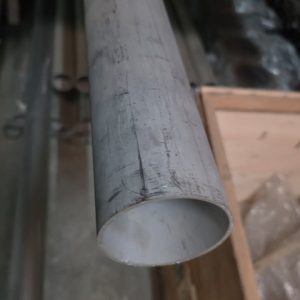
Stainless Steel High Pressure Pipes
Stainless steel provides mechanical strength, corrosion resistance, and broad temperature capability.
Common grades include SS304, SS304L, SS316, and SS316L.
Applications can include:
- Food processing
- Beverage plants
- Chemical processing
- Water systems
- Pharmaceutical facilities
- Compressed air
- Industrial utilities
- Process piping
Grade selection depends on the medium and operating environment.
Carbon Steel Pressure Pipes
Carbon steel provides high mechanical strength for many industrial piping systems.
Applications can include:
- Process piping
- Water systems
- Industrial utilities
- Mechanical plants
- Manufacturing
- Pumping systems
The correct pipe grade, schedule, coating, corrosion allowance, and connection system depend on the project specification.
Understanding Pipe Schedule
Metallic pressure pipes commonly use Schedule (SCH) to identify wall-thickness series.
Common references include:
- SCH 10
- SCH 20
- SCH 40
- SCH 80
- SCH 160
For a particular nominal pipe size, a higher schedule generally indicates a thicker wall. However, schedule alone does not provide a universal pressure rating.
Pressure capability also depends on the material grade, diameter, temperature, design standard, manufacturing method, and connection system.
Understanding PN Rating
PN means Nominal Pressure and commonly appears in thermoplastic and valve piping specifications.
For example:
PN10 = nominal pressure class of 10 bar
PN16 = nominal pressure class of 16 bar
However, these values apply according to the conditions and reference temperature within the relevant product standard.
Do not assume that PN16 automatically means a pipe can operate continuously at 16 bar under every temperature and service condition.
Understanding HDPE SDR
HDPE pipes commonly use SDR – Standard Dimension Ratio.
The basic relationship is:
SDR = Outside Diameter ÷ Wall Thickness
Common references can include:
- SDR11
- SDR13.6
- SDR17
- SDR21
- SDR26
For the same outside diameter and material class, a lower SDR generally indicates a thicker pipe wall.
The actual pressure class also depends on the PE material grade and applicable standard.
Pressure Pipe vs Waste Pipe
| Feature | Pressure Pipe | Waste / Drainage Pipe |
|---|---|---|
| Main Function | Fluid under pressure | Gravity drainage |
| Pressure Rating | Specific rating or class | Normally non-pressure |
| Pump Systems | Suitable when correctly rated | Normally unsuitable |
| Irrigation | Common | Not typical |
| Water Mains | Common | No |
| Wall Design | Pressure dependent | Drainage dependent |
| Selection | Hydraulic design critical | Drainage capacity critical |
Choosing the Correct High Pressure Pipe
Confirm the Pipe Material
Select UPVC, HDPE, CPVC, stainless steel, carbon steel, or another material according to the application.
Determine the Pipe Diameter
Correct diameter helps achieve the necessary flow while maintaining suitable velocity and pressure loss.
Check Working Pressure
Determine the normal system pressure and select pipe with an appropriate pressure capability.
Consider Pump Shut-Off Pressure
A pump can create higher pressure when flow stops. The piping design should account for this condition.
Consider Pressure Surge
Rapid valve operation and pump starting or stopping can create temporary pressure increases.
Check Operating Temperature
Temperature can significantly affect the pressure capability of plastic piping systems.
Identify the Fluid
Water, chemicals, oils, compressed air, steam, and other media require different pipe materials and specifications.
Confirm the Connection Method
Socket, fusion, threaded, flange, weld, and mechanical connections have different installation requirements.
Technical Data Sheet (TDS)
| Parameter | Typical Information |
|---|---|
| Product | High Pressure Pipe |
| Materials | UPVC / HDPE / CPVC / Stainless Steel / Carbon Steel |
| Sizes | Multiple |
| Pressure Rating | Product dependent |
| Wall Thickness | Material and pressure class dependent |
| Length | Manufacturer dependent |
| Connection | Socket / Fusion / Thread / Weld / Flange |
| Temperature Range | Material dependent |
| Chemical Resistance | Material dependent |
| Installation | Above / below ground |
| Application | Water / irrigation / industrial |
| Standards | Manufacturer and project dependent |
Pipes, Fittings & Accessories
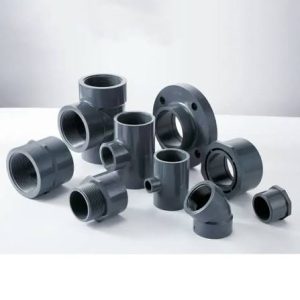
Sanvil Industries Ltd can support complete piping requirements with suitable components such as:
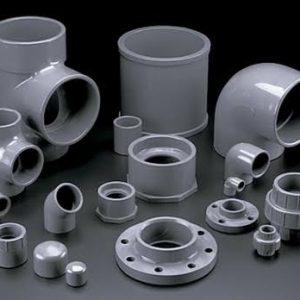
Pipe Fittings
Elbows, tees, reducers, sockets, unions, adaptors, and other connections.
Gate Valves
Provide isolation in suitable water and industrial systems.
Ball Valves
Offer quick manual isolation and flow control.
Butterfly Valves
Provide compact isolation and flow control for larger pipe diameters.
Non-Return Valves
Help prevent reverse flow in pumping systems.
Flanges
Connect pipes to pumps, valves, tanks, meters, and equipment.
Pressure Gauges
Help operators monitor system pressure.
Pipe Clamps and Supports
Provide mechanical support for suitable pipe installations.
Why Choose Sanvil Industries Ltd
Multiple Pipe Materials
Our range can include UPVC, HDPE, CPVC, stainless steel, carbon steel, and other industrial pipe options.
Wide Size Range
We stock different diameters for plumbing, water, irrigation, borehole, commercial, and industrial projects.
Multiple Pressure Classes
Customers can select suitable pipe specifications according to their system requirements.
Pipes and Fittings
Customers can source pipes alongside elbows, tees, reducers, unions, valves, flanges, and other accessories.
Competitive Wholesale Pricing
We offer competitive prices for contractors, farms, factories, plumbers, institutions, water projects, and distributors.
Technical Selection Support
Customers can provide the material, diameter, pressure, temperature, medium, length, connection type, and quantity for an accurate quotation.
Regional Distribution
We serve customers throughout Kenya, Uganda, Tanzania, and other East African markets.
Bulk Order Support
Sanvil Industries Ltd handles bulk requirements for contractors, farms, factories, water projects, institutions, and infrastructure projects.
Safety & Installation
Select pressure piping according to the material, diameter, wall thickness, pressure class, temperature, fluid, connection system, and applicable engineering standard.
Consider normal working pressure together with static head, pump shut-off pressure, and pressure surge.
Use compatible fittings, valves, flanges, seals, adhesives, or fusion systems according to the pipe material.
Support and align pipelines correctly to limit unnecessary stress on joints, valves, pumps, and equipment.
For chemical service, check compatibility with all components that contact the fluid.
Do not assume that a water pressure pipe can handle steam, compressed gases, aggressive chemicals, fuel, or high-temperature fluids without an appropriate rating for that service.
FAQs
Q1. What types of high pressure pipes do you stock?
A: Our range can include UPVC, HDPE, CPVC, stainless steel, carbon steel, and other pressure pipe options for suitable commercial and industrial applications.
Q2. Which pressure pipe sizes do you have?
A: We stock multiple diameters for water, irrigation, borehole, plumbing, and industrial systems. Customers can provide the pipe size, material, pressure class, and quantity for a quotation.
Q3. What does PN16 mean on a pipe?
A: PN16 refers to a nominal pressure class of 16 bar under the conditions within the applicable product standard. Temperature and system conditions can affect allowable working pressure.
Q4. Which pipe is suitable for a borehole?
A: HDPE and other suitable pressure pipe systems can work with borehole installations. Selection depends on pump pressure, depth, diameter, flow, pipe specification, and system design.
Q5. Which high pressure pipe works for irrigation?
A: UPVC and HDPE are common options for irrigation. The correct choice depends on pressure, diameter, installation method, terrain, joining system, and project requirements.
Q6. What is the difference between pressure pipe and waste pipe?
A: Pressure pipe carries fluid under internal pressure, while waste pipe primarily handles gravity drainage. Their wall design and system requirements differ.
Q7. Which pipe can handle hot water?
A: CPVC, PPR, stainless steel, and other suitable pipe materials can handle hot water within their temperature and pressure limits.
Q8. Do you stock fittings for high pressure pipes?
A: Yes. Our range can include elbows, tees, reducers, sockets, unions, adaptors, valves, flanges, and other compatible piping accessories.
Q9. Can I buy high pressure pipes in bulk?
A: Yes. Sanvil Industries Ltd handles bulk orders for contractors, farms, factories, water projects, institutions, plumbers, and distributors.
Q10. Which countries can Sanvil Industries Ltd deliver high pressure pipes to?
A: We serve customers across Kenya, Uganda, Tanzania, and other East African markets.
Contact Us
For quotations or bulk orders in Kenya, Uganda, and Tanzania, contact Sanvil Industries Ltd for competitive prices and fast delivery.
Sanvil Industries Ltd
📍 Location: Industrial Area, Nairobi, Kenya
📞 Phone: +254 722343016
📧 Email: sanvilindustries@gmail.com
Reviews
There are no reviews yet.